Why Serial Numbers on Gold Bars Matter: A Beginner’s Guide to Verification
What serial numbers mean, why they matter for authenticity and resale, and a step-by-step approach to verifying a gold bar safely.

Gold has always symbolised wealth and security, but in today’s market, authenticity matters just as much as value. With counterfeit gold bars becoming more sophisticated, checking a gold bar’s serial number is no longer optional—it is essential.
In this beginner-friendly guide, we explain why serial numbers matter and walk through a practical process for safely and confidently verifying a gold bar.
What is a Gold Bar Serial Number?
A gold bar serial number is a unique alphanumeric code assigned by the refinery or mint. It acts as an identity marker for the bar, helping confirm its origin, authenticity, and specifications.
This serial number is typically associated with purity (e.g. 999 or 999.9), weight (e.g. 10g, 100g, 1kg), and the refiner or mint logo—together forming a complete identity for the bar.
Why Serial Numbers on Gold Bars Matter
1. Proof of Authenticity
The primary purpose of a serial number is to confirm that a gold bar is genuine. When matched with an assay certificate or manufacturer records, it verifies that the bar has not been altered or replaced.
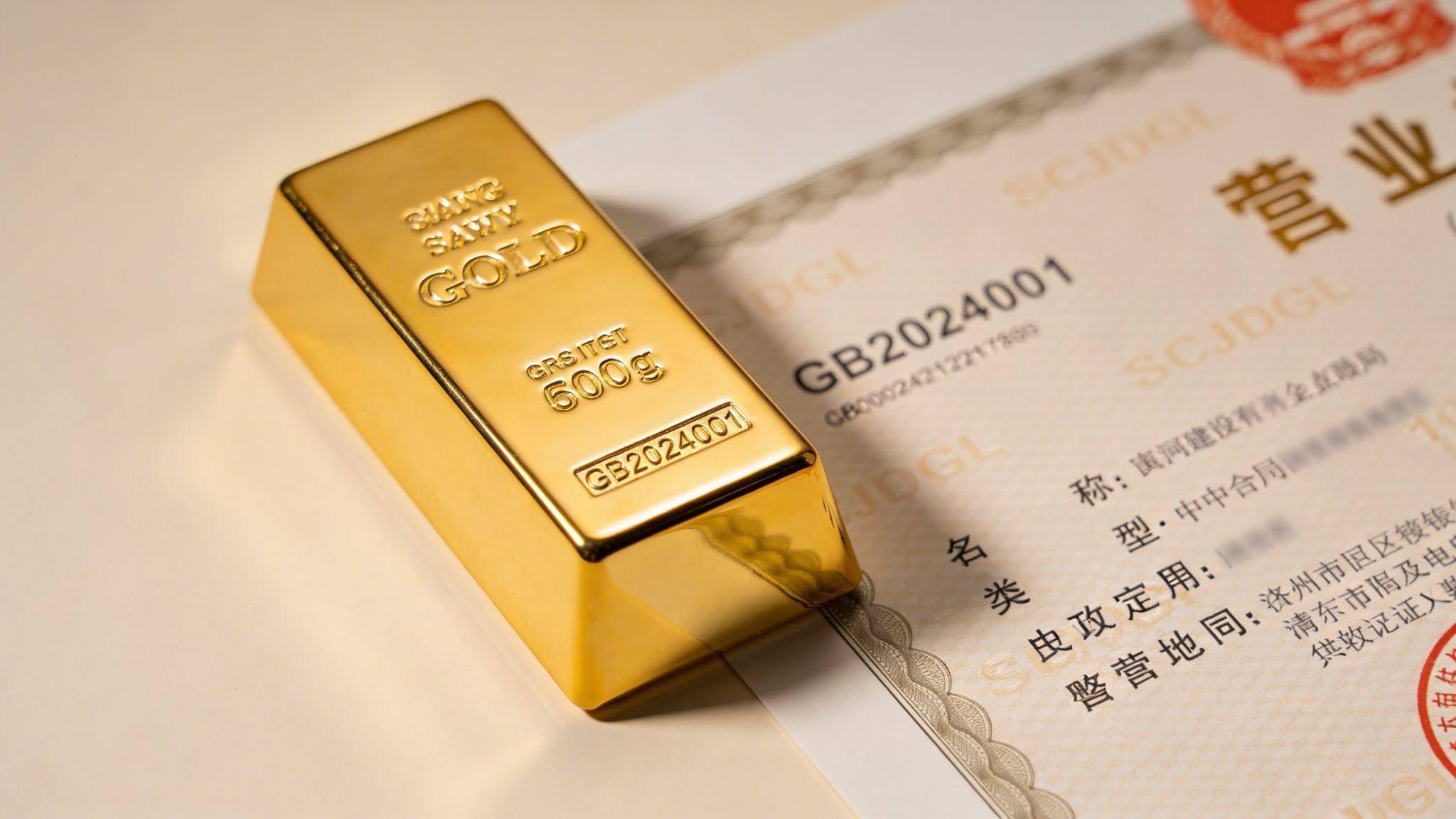
2. Traceability and Transparency
Serial numbers enable tracking from refinery to buyer, supporting transparency in transactions.
3. Protection Against Counterfeits
Counterfeit bars may look similar but often fail serial number validation—through duplication, formatting errors, or missing database records.
4. Ownership and Security
A serial number can help identify and recover lost or stolen gold, similar to a registration ID.
5. Better Resale Value
Buyers prefer gold bars that are easy to verify; serialised bars are often more liquid and trustworthy in resale markets.
Do All Gold Bars Have Serial Numbers?
Not all gold bars have engraved serial numbers. Larger bullion bars usually carry serial numbers engraved on the bar. Minted bars, especially smaller denominations (such as 1g–5g), may not have engraved numbers; the serial may appear on protective packaging or an assay card instead. What matters is that any serial is accurate and verifiable, whether on the bar or on secure packaging.
How to Verify a Gold Bar (Step-by-Step)
1. Locate and Examine the Serial Number
On bullion bars, the serial is often engraved on the surface; on minted bars it may be on the assay card or packaging. Check for clear, sharp, consistent characters—no odd fonts, fading, duplication, or re-etching. Blurry engraving or poor-quality printed serials can indicate tampering or counterfeits.
2. Check for Signs of Tampering
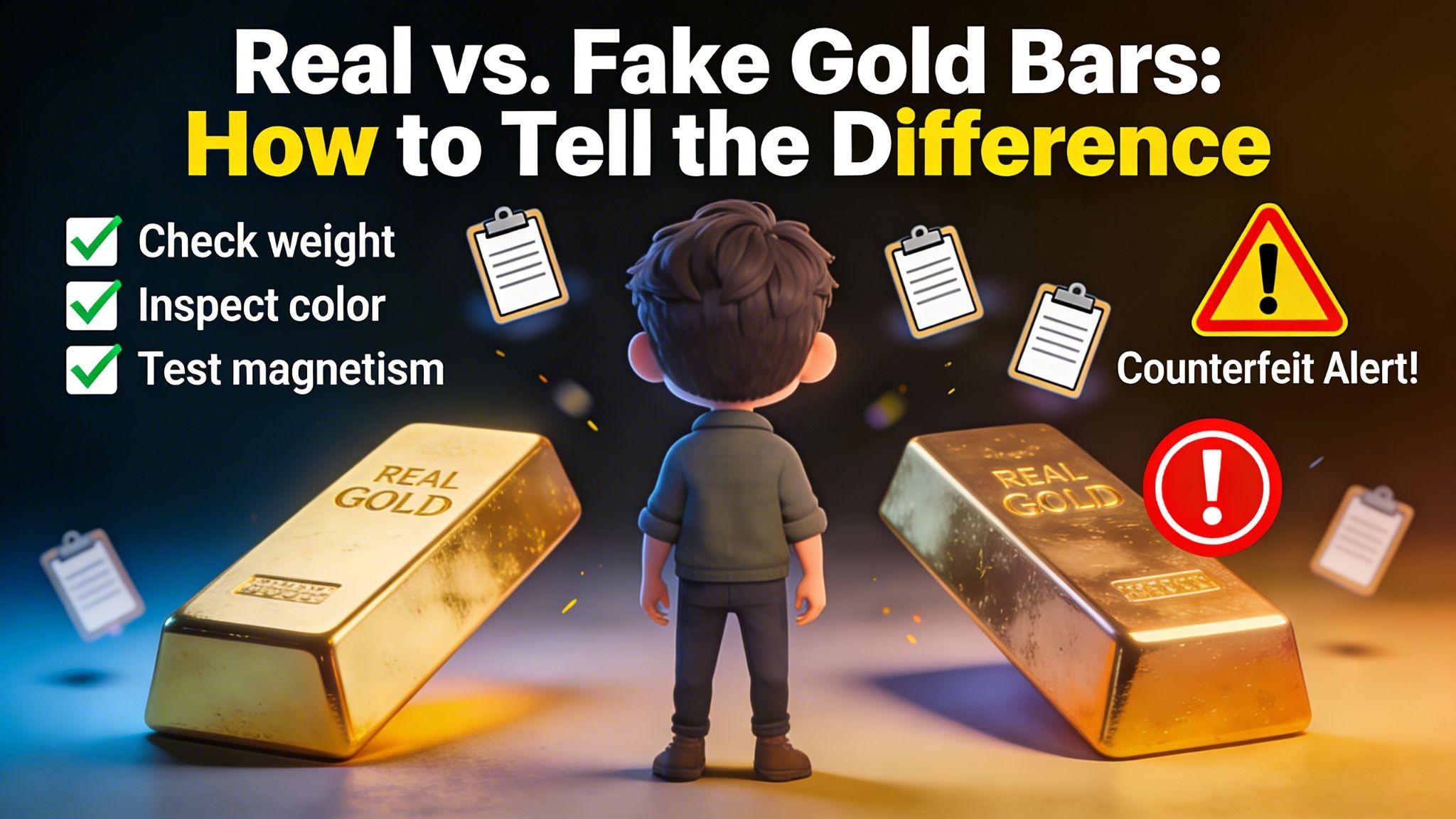
Inspect for scratches or polishing near the serial area, uneven textures, or resealed packaging. Any sign that the serial or packaging was altered is a red flag.
3. Match the Serial Number with the Assay Certificate
Verify character-by-character match, confirm weight and purity align, and ensure certificate quality is professional. Even a single mismatch is a deal breaker.
4. Verify with the Refiner or Official Database
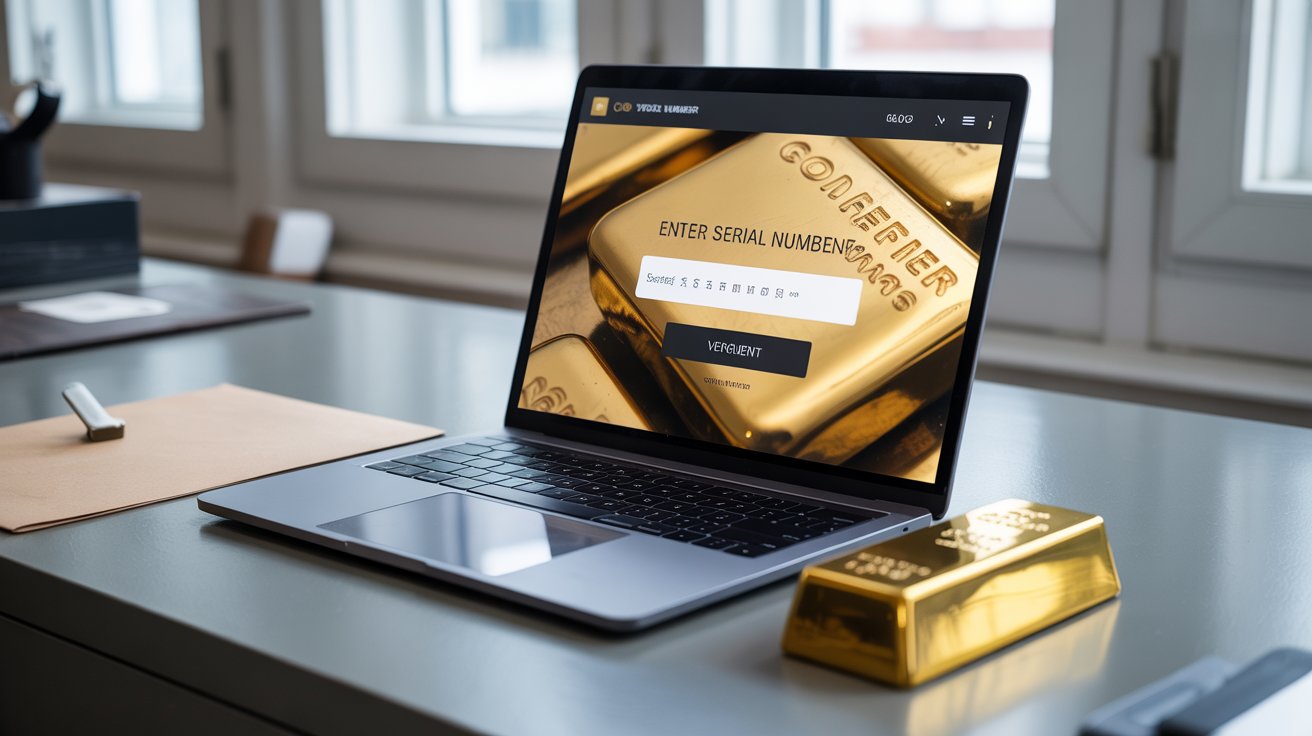
Many refiners offer verification: official website lookup, serial entry tools, or QR codes. Confirm the serial exists and matches the correct specifications.

5. Cross-Check Weight, Dimensions, and Purity
A serial alone is not enough. Use a reliable scale and callipers; confirm weight, standard dimensions, and purity (often 999 or 999.9). Even small deviations may indicate fakes or tampering.
6. Basic Non-Destructive Physical Checks
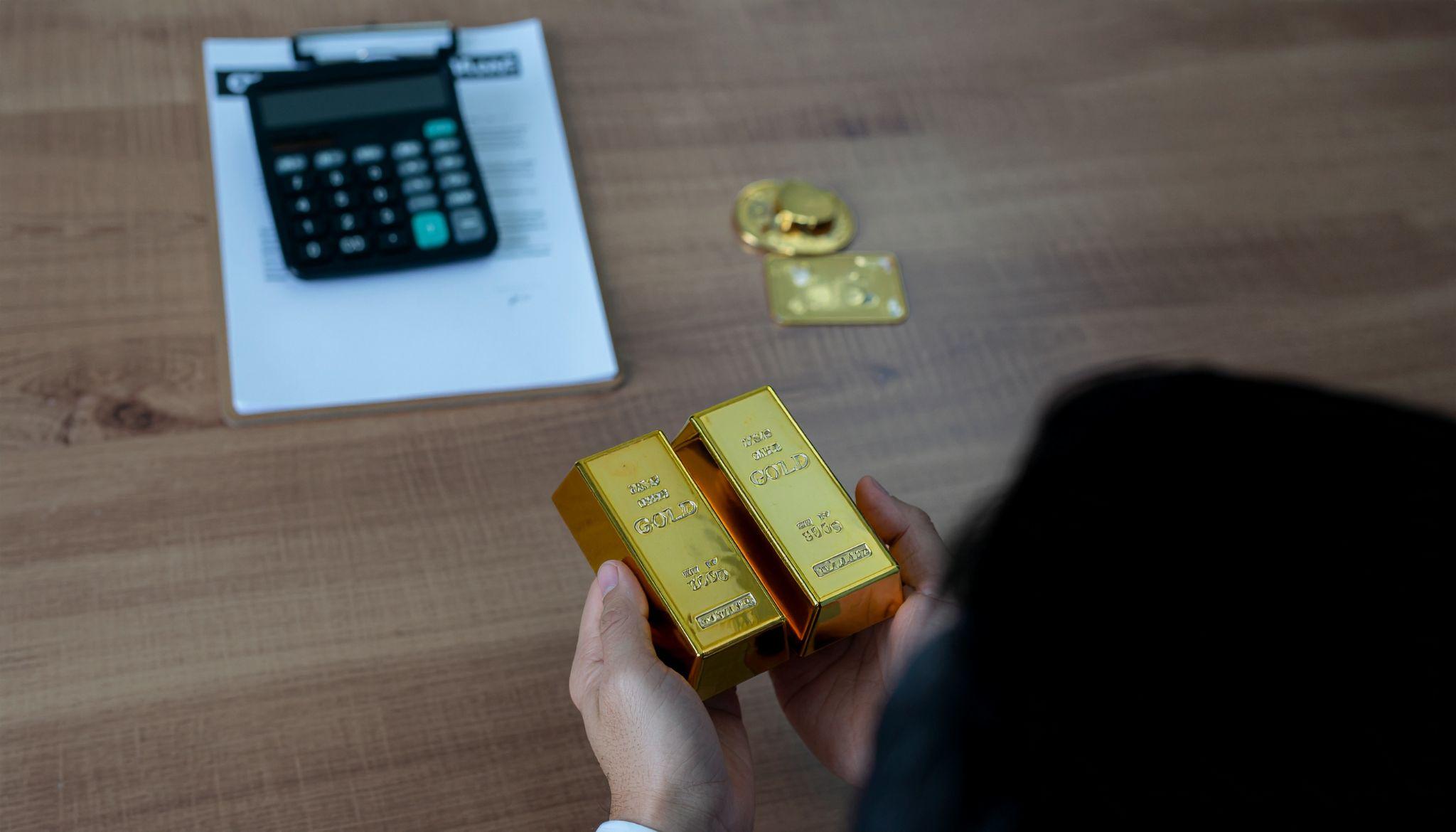
Magnet test (gold is not magnetic), sound check where appropriate, and visual assessment of colour and finish—used alongside—not instead of—documentation and refiner checks.
7. Packaging and Brand Credibility
Modern minted bars often use tamper-evident packaging with clear branding, holograms or seals, and sometimes QR or NFC-style verification. Reject open, damaged, or suspect packaging.
8. Buy Only from Trusted Sellers
Verification starts before purchase: choose reputable dealers, avoid unrealistically cheap offers, and check reviews and credentials.
Common Mistakes to Avoid
- Trusting the serial number without verifying it
- Ignoring assay certificates
- Skipping physical checks
- Buying from unverified sources
Final Thoughts
A gold bar’s serial number is one of the most important tools for verifying authenticity—but it should never be used in isolation. Whether engraved on bullion or printed on minted packaging, the serial must be accurate, consistent, and verifiable.
By following a thorough process, you can avoid counterfeits, protect your investment, and buy with confidence. Modern Gold focuses on transparency and verification, helping new and experienced investors invest with confidence.
Ready to Start Your Gold Investment Journey?
Explore our certified minted gold and silver bars