Understand the Difference Between Bullion Bars, Cast Bars and Minted Bars
Learn the key differences between bullion, cast, and minted gold bars. Discover which type suits your investment goals, from cost-efficient cast bars to premium minted bars with detailed packaging.
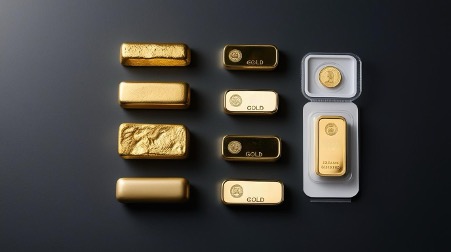
Table of Contents
- The First Step to Making an Informed Gold Investment
- What Are Bullion Bars?
- The Two Major Types of Gold Bars
-
- 3.1 Cast Gold Bars
- 3.2 Minted Gold Bars
- Cast vs Minted Gold Bars: What's the Actual Difference?
- So, Which Type of Gold Bar Should You Choose?
- Final Thoughts
1. The First Step to Making an Informed Gold Investment
If you're planning to invest in gold, one of the first choices you'll come across is: What type of gold bar should I buy? Although all gold bars contain investment-grade metal, they aren't all made the same way. Understanding the different types of gold bars, especially the difference between cast bars and minted bars, helps you choose the form that aligns with your investment goals, budget and preferences.
This guide breaks down bullion bars in simple terms and explains the difference between cast and minted gold bars in a way anyone can understand.
2. What Are Bullion Bars?
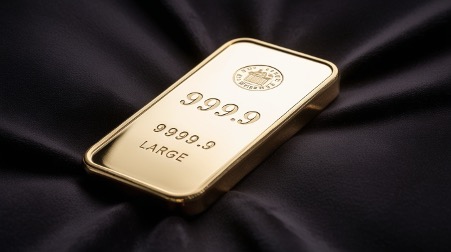
Bullion bars are gold bars refined to a very high purity (typically 999 or 999.9). They are used for investment purposes rather than jewellery. Within bullion bars, you will find two primary manufacturing styles:
- Cast Gold Bars
- Minted Gold Bars
Both have the same purity potential, but their production methods and therefore their look, cost and market appeal differ.
3. The Two Major Types of Gold Bars
3.1 Cast Gold Bars
Cast bars are the most traditional form of bullion.
How they're made
- Gold is melted into a liquid state.
- The molten gold is carefully poured into moulds.
- As the metal cools, it naturally forms its shape.
- Once solid, the bar may be stamped with basic details like weight, purity and refinery mark.
Appearance
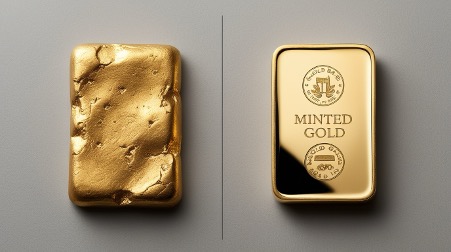
Cast bars typically look more natural and rugged:
- Mildly uneven surfaces
- Slight imperfections
- A handcrafted, antique feel
No two cast bars look the same; that's part of their charm.
Pros of Cast Bars
- Lower premium (you pay less above the gold price because manufacturing is simpler)
- Best for high-value, long-term investors
- Strong authenticity profile because the method is difficult to counterfeit
- Classic look preferred by many traditional buyers
Cons of Cast Bars
- Less polished and less "gift-ready"
- Usually, fewer design elements
- Packaging may be simple or minimal
3.2 Minted Gold Bars
Minted bars are the modern, refined version of bullion.
How they're made
- A long strip of purified gold is rolled into uniform thickness.
- Gold blanks (flat pieces) are punched out of the strip.
- These blanks are then precision-pressed in dies to create clean edges and detailed designs.
- Finally, bars are sealed in tamper-proof packaging with their certificate.
Appearance
Minted bars offer a premium, high-finish look:
- Smooth, mirror-like surfaces
- Sharp edges
- Detailed logos or artwork
- Branded packaging (often with a unique serial number)
Pros of Minted Bars
- Aesthetically superior, ideal as gifts or collectable pieces
- High brand value, making resale easier in retail markets
- Tamper-evident packaging enhances security
- Perfect for smaller denominations like 1g, 5g, 10g, 50g
Cons of Minted Bars
- Higher premium due to detailed manufacturing
- Slightly easier to scratch without packaging
- The added finish doesn't change the gold value, only the presentation
4. Cast vs Minted Gold Bars: What's the Actual Difference?
Here's the core breakdown of what is the difference between cast and minted gold bars:
| Feature | Cast Bars | Minted Bars |
|---|---|---|
| Manufacturing | Molten gold poured into moulds and cooled naturally | Gold blanks cut from rolled sheets and pressed into precise shapes |
| Look & Feel | Rugged, natural, slightly uneven | Sleek, smooth, uniform, highly polished |
| Premium Above Spot Price | Lower | Higher |
| Best For | Buyers who prioritise intrinsic metal value, commonly dealers, jewellers, or bulk investors | Gift buyers, collectors, new investors, and those who prefer presentation |
| Packaging | Simple or minimal | Tamper-proof, branded and certified |
| Resale Appeal | Strong in bulk/wholesale markets | Very strong in retail markets |
The important thing to remember:
Both cast and minted bars contain the same purity of gold.
Your choice depends on whether you value cost-efficiency or presentation and brand recognition.
5. So, Which Type of Gold Bar Should You Choose?

Choose Cast Bars if:
- You want the lowest premium over spot price
- You're buying larger weights like 1kg and above
- You're building long-term reserves
- You prefer a classic, traditional bullion appearance
Choose Minted Bars if:
- You want a premium look
- You're buying 1g–1Kg denominations
- You value packaging, branding and serial numbers
- You plan to resell in retail markets
Both types are excellent investments; the difference is in style, cost and purpose.
6. Final Thoughts
Gold investment should match your financial goals, personality and long-term plan. Whether you choose a cast bar for its efficiency or a minted bar for its refined craftsmanship, both forms represent solid, stable wealth storage.
At Modern Gold, the focus is always on helping you make informed, confident decisions based on clarity, not confusion. And understanding the core differences between cast vs minted gold bars gives you exactly that clarity.
Ready to Start Your Gold Investment Journey?
Explore our certified minted gold and silver bars